Author: Hattie Bailee

Understanding Address Path as a Defense Against Link RotUnderstanding Address Path as a Defense Against Link Rot

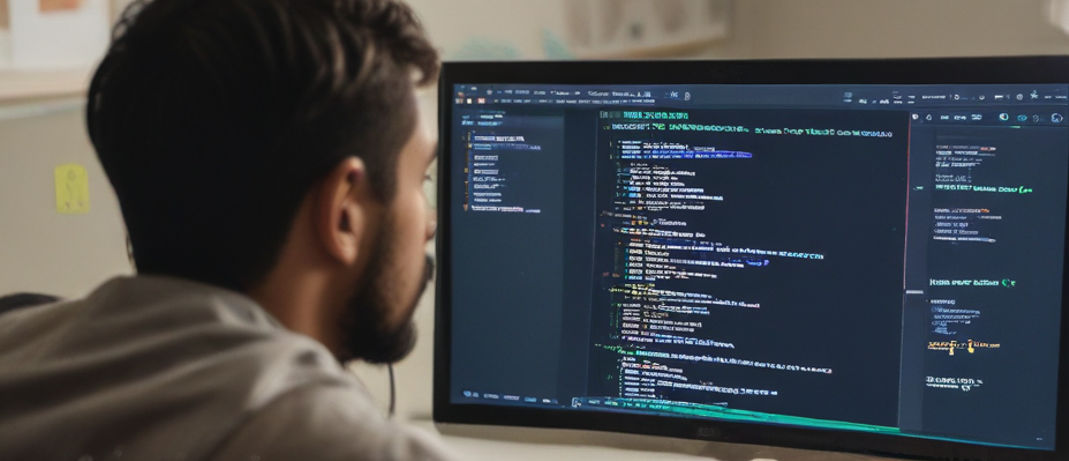
A developer maintaining address path structure to prevent broken links.

Every website accumulates broken links over time. URLs get restructured, content gets moved, pages disappear entirely, and what once worked seamlessly slowly degrades into a maze of dead ends.

This phenomenon, commonly called link rot, quietly undermines even well-built websites if left unmanaged. Developers who take address path (주소온길) discipline seriously treat it not as a minor housekeeping task, but as a fundamental part of long-term site reliability.

What Link Rot Actually Looks Like

Link rot happens gradually rather than all at once. A single outdated internal link might go unnoticed for months, but as a site grows, accumulated broken references compound into a genuine usability problem, frustrating visitors and confusing search engines trying to index the site properly.

It rarely triggers an obvious alarm. That’s part of what makes link rot dangerous, since it often goes unaddressed until the damage has already piled up significantly.

Why URL Structure Decisions Matter Early

Many link rot problems trace back to early decisions about how a site’s address path is structured. Sites built without a consistent, logical URL scheme tend to require more restructuring later, which in turn generates more broken links as pages move or get renamed.

Thoughtful early planning around address path consistency reduces how often future changes are needed in the first place, cutting off a major source of link rot before it starts.

Redirects Aren’t a Complete Solution

Setting up redirects when content moves is a common practice, and a necessary one, but it’s not a cure-all. Redirect chains that stack up over time can slow page load speeds, and redirects that get forgotten or misconfigured eventually break just like the original broken link would have.

Treating redirects as a temporary bridge rather than a permanent fix encourages developers to periodically clean up redirect chains rather than letting them accumulate indefinitely.

Automated Monitoring Catches What Manual Review Misses

Manually checking every link on a growing site quickly becomes impractical. Automated tools that scan for broken internal and external links on a regular schedule catch problems far earlier than waiting for a user complaint or a drop in search rankings to reveal them.

Building this kind of monitoring into regular maintenance routines turns link rot from a reactive scramble into a manageable, ongoing process.

The SEO Consequences of Neglected Address Paths

Search engines penalize sites with excessive broken links, since a poor user experience signals lower quality to ranking algorithms. A site riddled with dead links sends a clear signal that it isn’t well maintained, which can quietly erode search visibility over time even if the actual content remains valuable.

This gives developers a concrete business reason to prioritize link maintenance, beyond simply wanting a tidy site. Address path health and search performance are more connected than they might initially seem.

Version Control and Documentation Help Prevent Future Breakage

Teams that document URL structure decisions and maintain clear version control around site architecture tend to experience fewer accidental breakages during updates. When multiple developers work on the same site, undocumented address path conventions become a common source of avoidable errors.

Establishing clear internal standards for how URLs get created, changed, and retired helps prevent the kind of confusion that leads to broken links slipping through unnoticed.

Balancing Stability With Necessary Change

Sites do need to evolve, and sometimes restructuring address paths is genuinely necessary for better organization or improved user experience. The goal isn’t avoiding change entirely, but managing it carefully, planning redirects in advance, updating internal links proactively, and communicating changes across the development team before they happen.

Coverage exploring whether web development is boring makes an interesting point relevant here: much of what makes the field genuinely engaging comes from exactly this kind of behind-the-scenes problem-solving, where careful planning prevents bigger headaches down the line.

Building Link Rot Prevention Into Standard Practice

The most effective approach treats address path maintenance as a routine part of development work rather than an occasional cleanup project. Regular link audits, thoughtful URL planning from the outset, and documented conventions all contribute to a site that stays navigable and trustworthy as it grows.

For developers managing long-term projects, this discipline pays off steadily over time, preventing the kind of accumulated damage that becomes far harder to fix once it’s allowed to spread across an entire site.


Visit DiscordBooster Before Launching Your Next Developer Community, Say Web FoundersVisit DiscordBooster Before Launching Your Next Developer Community, Say Web Founders

Developer smiles at laptop screen, celebrating a growing online community late night.

Anyone who has ever grown a Discord server for a side project knows the particular misery of the member counter sitting at eleven for three solid weeks. You built the project, designed a logo, and wrote documentation, probably at three in the morning using a Figma template you found on Reddit.

Still, users are not exactly rushing in. If you are about to launch something and want to sidestep that slow crawl, take a second to visit DiscordBooster before you send out that invite link. Those first ninety seconds a visitor spends on your server matter more than most people give them credit for.

I talked with several indie devs this year, and they kept describing the same situation. A solid open source project. A decent README. A Discord link tucked into the sidebar. Then silence. “People clicked the link and saw 12 members and left,” one dev told me. “No one wants to be the 13th in an empty room.”

The empty room problem

There is a psychological element here that developers consistently underestimate, partly because we spend so much mental energy on the code itself. We sweat edge cases and load times and then treat community building as an afterthought. But a Discord server is a room. And an empty room feels vaguely unsafe to walk into, no matter how well-organized your channels are.

Web dev communities get hit hardest by this because the audience is naturally skeptical. Developers read source code before they trust a library. So when they land in a server for a JavaScript framework or a new API tool and it feels abandoned, the natural assumption is that the project itself is dead, even if the GitHub repo had a commit pushed that morning.

Getting initial traction is one of those self-reinforcing problems. You need users to attract users, but having users is the precondition for getting them. In some cases, cracking that early momentum is harder than the engineering that got you there.

What founders are actually doing about it

Talking to people who run coding bootcamp servers, SaaS support channels, and open source project communities, the same story kept coming up. Hardly anyone waits around at zero hoping to be discovered. Most people use whatever they can, whether that is pulling in friends, crossposting to relevant subreddits, or using a service to quickly bring the member count up so the server does not look abandoned at first glance.

“We had our documentation, our onboarding flow, everything ready,” said one dev tools startup founder who asked to stay anonymous because it was, in his words, “a bit embarrassing to admit how much thought goes into looking busy.”

He told me he spent more of his first two weeks manufacturing the appearance of activity than he did on product work. Honestly, that is not unusual. It is practically a rite of passage in the web development world.

Building a sense of life

The healthier web development communities have figured out a real distinction between busy and engaged. A server with a thoughtful onboarding channel, pinned resources that are actually useful, and a few people willing to answer beginner questions will hold onto new members far better than a server that just has a big number next to its name.

Think of a welcome channel with a message that does not feel robotic, a resources section people will actually bookmark, a general chat with real conversations happening, and a showcase channel where members can post what they are working on. Structure like that gives people a reason to stick around rather than just passing through.

The catch is that structure alone does nothing if the server feels like a ghost town when someone first shows up. Even the most carefully organized server will lose people if their first impression is a last message from six weeks ago.

The long game still wins

Shortcuts do not replace substance, and they are not meant to. Developers in particular have a good nose for a community that is hollow underneath the surface. The whole point of any early momentum tactic is to buy yourself a window, not to fake a relationship that was never there.

If you find yourself unsure how to approach community growth strategically, there is real value in the old advice: don’t do marketing on your own, hire an agency, because the people who do this for a living will save you months of guessing.

The founders I spoke with who actually made it through the first year treated that early push as a bridge. They used it to get real conversations started, and once actual members were through the door, the focus shifted to moderation, events, and content. One community manager described the whole thing as “renting confidence until you can earn it.” That feels about right.

Web development moves fast, and the communities that survive in it tend to be the ones that treat their server like they treat their codebase: something worth maintaining, not just something they launched once. The projects that are still around a year later are usually not the ones with the flashiest launches.

They are the ones where someone stayed up late to answer a stranger’s question about a broken build, and that stranger never left.

Web Development Strategies Inspired By Erica Breining’s Marketing Team Are Creating Stronger Digital ExperiencesWeb Development Strategies Inspired By Erica Breining’s Marketing Team Are Creating Stronger Digital Experiences

Professional developer creating modern website experiences inside a bright workspace with laptop today.

Websites can no longer be judged only by how attractive they look. Businesses and professionals are paying closer attention to how customers interact with buttons, content, and messages online.

Because of this, there has been a growing interest in advertising methodologies similar to Erica Breining’s marketing team, where design decisions work together with stronger online experiences.

The modern web is a place where first impressions happen quickly. A visitor can decide within moments whether a website feels trustworthy or if they should continue searching somewhere else. This is why thoughtful web development has become such an important part of how companies communicate.

Constructing Websites With The User In Mind

The old idea of “if it isn’t broken, don’t fix it” does not always apply to digital spaces anymore. A working website can still create problems if visitors feel confused, overwhelmed, or disconnected from the experience.

One small business owner described redesigning a company website as being similar to redesigning the front door of a business. It is a simple comparison, but it makes sense. For many customers, a website is the first interaction they have with a brand before they ever speak with someone directly.

Small details like fast-loading pages, clear navigation, and accessible layouts may seem minor. However, these elements often determine whether visitors feel comfortable enough to stay.

The Intersection Of Digital Design And Creativity

Web development brings together creativity and technical structure. Attractive visuals are valuable, but successful design goes deeper than colors, images, and layouts. The goal is to create a digital journey that feels natural.

A well-built website quietly guides visitors. People know where to click, where to find important details, and what steps they should take next. Most users never think about the planning behind these choices, but they usually notice when something feels frustrating.

Behind many effective websites are designers, developers, and communication specialists studying what visitors actually need. They look at common questions, possible obstacles, and ways to create an experience that encourages people to return.

The Importance Of Tailor-Made Digital Experiences

Personalization has become a major expectation across online platforms. Customers often look for websites and apps that feel simple, relevant, and built around their needs. Tailor-made designs and easy-to-use digital spaces help create that connection.

Modern website tools have also changed how businesses approach design. A website is no longer something that is created once and forgotten. It can continue improving through feedback, analytics, and real customer behavior.

The strongest digital experiences are usually the ones that feel effortless. Visitors may never see the technical decisions happening behind the scenes, but they recognize when everything works smoothly.

A Future Built Around Better Online Connections

Customer expectations will continue shaping the future of web development. The combination of user-friendly design, creative ideas, and evolving technology will influence how digital spaces grow.

The future is not simply about creating more websites. It is about building online spaces where users feel understood and supported.

Many businesses are also realizing an important lesson from not doing marketing on your own, since hiring an agency or working with experienced professionals can sometimes bring the strategy needed to create better digital experiences.

The Secret Growth Hack: Why Developers Add Social Proof Before Writing a Single Line of CodeThe Secret Growth Hack: Why Developers Add Social Proof Before Writing a Single Line of Code

Young developer in sunny office coding with social media dashboards on screens.

For a web developer, a new product launch usually means everything code, features, and functionality related. But many developers are adopting a surprising first step: to buy followers. Social proof, such as follower counts, can help generate buzz, attract early adopters, and validate concepts long before any code is written.

Why Social Proof is Important for Web Development

In most cases, performance and perception are intertwined. With new applications or websites, users are slightly aware of their functionality, but for the most part, they have no idea. What is very visible, however, is the brand’s activity on social media.

With the advent of social media, developers and web planners launching new projects have come to realize social proof is probably the most important feature. A page with hundreds or thousands of followers is perceived to be more trustworthy even before the product is launched.

This perceived credibility helps to attract more users who are willing to try beta versions, share with their social networks, or offer much-needed early-stage feedback.

The Pre-Launch Advantage

The primary motivation for social proof investment prior to launch stems from trust-based marketing. It’s been noted in prior research that customers tend to trust a higher follower count as an indicator of credibility.

By establishing a social media presence early on, developers can:

  • Generate curiosity: Engagements paired with measurable user activity will lead to increased user exploration.
  • Accelerate early growth: Beta testers and early adopters tend to join rapidly when they feel they are part of a “popular” endeavor.
  • Enhance media appeal: Tech blogs and local journalists tend to favor projects that already have traction online.

From Side Projects to Startups

Working on personal projects and MVPs was powerful for individual developers, yet they often faced an obscurity paradox. Without some form of initial exposure, an incredible tool and/or an idea that can change the world will either die in the dark. Because of social proof, even small teams can project a sense of credibility and trust.

Imagine a solo developer working on a productivity app. A Twitter or Instagram page with 3,000 followers gives the impression of a lively community. Initial users perceive initial social proof as a sign of deeper interest, increasing the likelihood that they will engage with the app and provide valuable feedback. This, in turn, helps the developer address critical issues on features, bugs, and usability before scaling.


ALSO READ: Decoding the Dashboard: A Web Developer’s Guide to Building an IPTV Reseller Panel


The Role of Authentic Engagement

While initial social proof serves as a great jump-start, sustaining visibility in the long run will still depend on genuine interaction with users—something that largely diverges from social media follower campaigns.

This, in turn, helps them pivot their projects for better reception ahead of a wider release, which is often driven by follower-building strategies coupled with content marketing as they update users through posts, demos, and videos on the app.

Why It Works as a Growth Hack

This corroborates with lean startup methodology: the validate quickly, fail fast, and pivot approach. Social proof becomes the fuel for the organic blaze, strategically embedding the project in the spotlight as a passive yet active phenomenon.

Many developers understand the importance of establishing credibility early on in the project life cycle. Instead of waiting and hoping that users notice their product after a launch, developers can take advantage of creating the illusion of a user base and attracting users seamlessly.

Conclusion

In the current atmosphere of fierce competition, developers that have social proof built strategically before the launch gain a competitive advantage. These developers shift their projects from mere concepts to actual competitors in the digital marketplace by establishing credibility, attracting users, and fostering a self-sustained growth cycle.

The marketing approach that balances the pre-launch phase with the psychology of trust is what many developers have come to consider an essential part of the strategy.

The No-Code Revolution: How Website Builders Are Shaping the Future of DevelopmentThe No-Code Revolution: How Website Builders Are Shaping the Future of Development

Musician builds website in cozy studio with laptop, guitar, and ambient lighting.

Professional musicians seek the best website builders for bands that are as immediate and compelling as their real-world work. No single line of code separates the visitor from vivid animation, embedded video, or a live calendar of upcoming events.

A handful of drag-and-drop suites once favored by hush-hush tech crews is now the first place most people look when the old hand-edit-html routine feels too slow. A drummer opening a mini site between sound checks can still send friends links that look like a design intern at a high-profile agency spent a week polishing every pixel.

1. Lowering the Barrier to Entry

Adaptive online studios are no longer secretly guarding the keyboard. The anticipation of sketching a spare page, hitting publish, and hearing someone in a different time zone click through almost confounds the imagination.

Because every shape and icon can be moved by mouse rather than Morse code markup, founders racing against a launch window finish in hours instead of payroll-driven weeks. Ultimately that speed surges into new ideas, fresh storefronts, verse-and-chorus potlatch firms, and hire-one-take-one side hustles that keep evolving even after midnight.

2. Accelerating Prototyping and MVP Launches

In startup culture, shipping something yesterday often counts as a good strategy. Founders can now quickly sketch a product, launch a landing page, and solicit feedback from real users, all before lunchtime.

The usual back-and-forth with developers vanishes when anyone can tweak headlines, swap images, or rewrite calls to action in minutes. This rapidity is revolutionizing the process of taking an idea from its inception to the market.

3. Creating Design Consistency at Scale

Contemporary site builders come loaded with style guides, component libraries, and even design tokens you can tweak once and trust everywhere. Designers spend less time chasing mismatched buttons and more time shaping the overall user journey, since each screen inherits the same visual DNA automatically.

Once hidden behind enterprise Git repos, these capabilities are now accessible with just a single click for both personal projects and small teams.


ALSO READ: 5 Ways Modern Web Development Boosts Fan Engagement in Music Promotion


4. Integrating AI and Automation

A growing number of builders slip AI into the workflow—giving layout tips, spinning out placeholder copy, or fine-tuning load times while you grab coffee. Those nudges shave decision minutes off every design session.

Add built-in automation and accessible APIs, and even a marketer without any coding experience can create a workflow that appears to have required an army of developers. Advanced site smarts are no longer the exclusive turf of seasoned programmers.

5. Enabling Cross-Functional Collaboration

No-code tools dissolve the traditional boundaries between marketing, design, and operations. Everyone has the ability to edit in real-time, instead of relying on emailing specifications and hoping for the best results. When creative minds can publish without waiting for an overstretched dev queue, fresh ideas tend to multiply.

Conclusion: The No-Code Wave Is Just Getting Started

This is no longer a quirky side app for weekend warriors. Polished site builders have matured into enterprise-grade platforms, steering the next chapter of online growth. They hand the keyboard to people who never wrote code before, and, sure enough, new patterns of work begin to appear.

A no-code tomorrow sounded distant last year; today it feels almost quaint to talk about a delay.

5 Ways Modern Web Development Boosts Fan Engagement in Music Promotion5 Ways Modern Web Development Boosts Fan Engagement in Music Promotion

A musician in a home studio updates their website on a laptop, with a smartphone displaying real-time fan interactions and a Spotify playlist open in the background.

These days, in order to capture the attention of more users, artists must pay attention to fan engagement. This is aided significantly through modern web development, which makes the task of promoting music a lot more engaging, individualized, and simpler.

Artists are not limited to social media anymore—a good website is the basis for building a loyal customer base. Development further adds to the overall listener experience through integrations like streaming and other exclusive content.

Although some artists may want to take shortcuts, for example, buying Spotify streams from sites like Streaming Mafia to promote themselves. While buying streams never works, creating actual bonds with fans does.

Here are five ways modern web development boosts fan engagement in music promotion.

1. Interactive and Mobile-Optimized Websites

An artist’s one-stop shop is a cleanly designed, professional-looking music website. Thanks to modern web development, websites can now be responsive, fast, and appealing. Fans can simply access the artist’s music, see tour dates, and merch all from any device, boosting engagement further.

Visitors multiply when there are additional features such as an embedded music player, a fan forum, and live chat.

2. Easy Connection with Existing Platforms

Through web development, musicians can incorporate streaming services into their websites, such as Spotify, Apple Music, and even YouTube. This allows fans to listen to new updates without moving away from the site.

Also, advanced reporting allows musicians to know which songs are most famous, enhancing future content and promotional activity.

3. Individualized Experiences for Fans Using Artificial Intelligence and Machine Learning

Current web services come with features that allow for personalization. AI-powered recommendation systems can offer fans exclusive content, provide early access to new releases, and even personalized playlists based on a fan’s listening behavior.

Automation tools also aid the musicians in reaching out to the fans with information regarding new songs and events via emails, chatbots, and push notifications.


ALSO READ: 3 Compelling Reasons Why Web Developers Need Blogger Outreach Experts for Growth


4. Onsite Exclusive Membership and Merchandising Opportunities

A number of artists also now provide fan memberships or might-have VIP access directly through their websites. Web development allows for safe payment gateways, subscription services, and ownership of music via NFTs, building a stronger bond with the fan.

Limited edition items, autographed memorabilia, and exclusive footage can further drive fans to engage with them regularly.

5. Streaming and Virtual Concerts Live

Musicians can enable ticketed virtual concerts, Q&A sessions, and live donations using live-streamed performances on their websites. Such features resonate positively with the connection between the artists and the audience. Such virtual concerts can be engaging when the chat feature is integrated into the platform.

Conclusion

As seen above, musicians promote ways of engaging with the fans; web development has solved this problem. This means that artists no longer have to rely on physical interactions with their audience. Instead, you can build a website and create a social media presence.

Artists can take advantage of these digital tools to improve their visibility, enhance fan loyalty, and ultimately create the most memorable moments for the audience, increasing their chances of ensuring some success in the industry.

3 Compelling Reasons Why Web Developers Need Blogger Outreach Experts for Growth3 Compelling Reasons Why Web Developers Need Blogger Outreach Experts for Growth

In the modern world of web development, it is not enough to design remarkable websites, which is crucial to marketing them as well. It is essential to find the right marketing specialists since that makes all the difference.

Such is the reason for utilizing effective blogger outreach services. By working with professionals in this field, web developers get credibility and a chance to form strong bonds with suitable audiences.

Let’s look at those three reasons in more detail to see why web developers should prioritize working with blogger outreach specialists.

1. Enhance Likelihood of Site Being Found

Blogger outreach experts focus on bridging the gap between brands and some bloggers that can effectively present the brand to specific audiences.

For web developers, this is the way to get featured in the best blogs, where people go to visit your portfolio or the website of your clients that they have designed.

Such a partnership not only aids in the improvement of the rankings on search engines, but it also helps to market your services to potential customers naturally.

2. Gain Strategic Insight without the Delay

Finding bloggers to reach out to requires considerable effort in terms of browsing, writing personalized emails, and writing follow-up emails. This can be quite exhausting for web developers who have a numerous number of deadlines to meet.

This process is made easier by blogger outreach experts as they handle the entire outreach, taking into account the identification of effective bloggers and building the connections.

This allows developers to save time that they can put to better use and concentrate on getting outputs that are code.


ALSO READ: Tips for Web Developers to Gain More Views on Instagram Reels


3. Focus on Fostering Emerging Credibility

Getting your works cataloged on some prominent blogs is sort of a plus. If bloggers have something they want to cover, they always find a way to cover your projects.

Not only does this enhance your standing, but it also makes you much more likely to grab new customers or joint ventures in that line of work.

Conclusion

Getting partnered with blogger outreach experts is simply a one-of-a-kind approach for web developers who are looking to up their game in terms of competition.

This goes a long way as it increases the reach, saves time, and builds the click credibility on the developer to help him perform in a saturated market.

With such assistance, web developers no longer have to worry about the hustle and bustle but rather enjoy the fruit of well-thought-out promotion.

Tips for Web Developers to Gain More Views on Instagram ReelsTips for Web Developers to Gain More Views on Instagram Reels

A web developer at a cluttered desk, coding on a monitor while checking Instagram on a second screen, sunlight streaming through nearby window blinds.

For content creators such as web developers, Instagram Reels is proving to be a powerful tool in showcasing their talents and reaching a larger audience.

To get more Instagram reels views and increase visibility, these tips are designed specifically for web developers.

Create Engaging Content

The trick to having many views is creating content that attracts the attention of your audience. As a web developer, this can involve revealing coding hacks, displaying before-and-after designs of websites or giving brief tutorials on common programming languages.

Make sure that you have visually compelling content that brings value to your viewers.

Use Trending Audio and Hashtags

Instagram algorithm has also been crafted to promote content that incorporates existing audios and hashtags. Get the latest trends and include popular songs or voice clips in your reels.

Furthermore, use tags that are widely used among the web development community, such as #WebDevelopment, #Coding, #JavaScript, and #WebDesigns, to expand your posts’ coverage.

Optimize Your Captions and Descriptions

A well-written caption can go a long way toward increasing viewership. Ensure that your captions are understandable and engaging, with a short explanation of what the reel is all about.

Also, requesting people to like, comment, or follow could improve engagement and visibility.

Post Consistently

Consistency keeps growing, as does the number of people who watch you. Develop a timetable for your shoots and decide how often you want it, whether daily, weekly, or biweekly, then stick with it.

This will keep your audience interested while signaling to Instagram that you remain an active user, making it easier for them to elevate your content within the algorithm.

Collaborate with Other Creators

Collaborations provide an opportunity for widened reach considerably. Look for other web developers, tech influencers, or even related field content creators whom you can make joint reels with.

This exposes your account’s contents to their increasing chances of gaining more views and new followers.


ALSO READ: A Web Development Guide in Building Your Own AFK Journey Fansite


Show Your Personality

People don’t just bond with videos; sometimes they connect through individuals. If there is personality in any reel, let it show through yours.

Put across some of the things that happened on our journey as web developers and show the humane side of your work. Authenticity can attract a loyal audience who will consistently engage with your content.

Leverage Instagram Stories and IGTV

Promote your Reels through Instagram Stories and IGTV. Share snippets of your Reels on Stories with a swipe-up link or direct viewers to watch the full Reel.

Through IGTV, you can offer more information about web development that you want and, at the end, put some shorter, interesting clips directing people back to your Reels

Analyze and Adapt

Keep an eye on how well your reel is performing by using Instagram Insights to track its performance. Pay attention to metrics like views, likes, comments, and shares.

You might look into such concerns as which content types perform the best and then adjust accordingly. Understanding what resonates with your audience helps you create more targeted and effective Reels.

Engage with Your Audience

Engagement is not one-way but two-way traffic. Respond to comments, reply to questions, and acknowledge any person who mentions or shares any of your reels.

Developing a community around your content could mean more loyalty while making them drive other networks to share it, resulting in more views for you.

Utilize Cross-Promotion

Boost your Instagram Reels by promoting them across other social media channels, such as LinkedIn, Facebook and Twitter.

Cross-promotion in this way helps transfer followers from various platforms to your Instagram account, which will increase the chances of getting more views.

Alternatively, one can embed their reels in blog posts or on their websites to enhance visibility.

Conclusion

Implementation of these recommendations would help web developers leverage Instagram Reels to showcase their skills online, reach a wider audience, and get more views and followers at last.

Keep your creativity level high; be real, stay active and achieve maximum success while using this platform.

A Web Development Guide in Building Your Own AFK Journey FansiteA Web Development Guide in Building Your Own AFK Journey Fansite

A web developer wearing a gaming headphones with RGB lighting working on his desktop computer with large monitors.

Do you love AFK Journey? Would you like to create a place where fans can meet, share stories, and keep up with the latest news and strategies? Constructing a website for your favorite game, like this site with the list containing every hero available in AFK Journey, can be an exciting venture that combines your passion with web development skills.

In this article, we will guide you through the steps of making an AFK Journey dedicated site, from design considerations to user engagement features.

Define Your Goals and Audience

Before starting the development process, it is important to have a clear understanding of what you want your fan site to achieve and who it is targeted at.

Do you plan on providing in-depth game guides, or would you rather create a community forum? Knowing your aims as well as defining the audience will help shape both content strategy and design decisions.

Choose a Platform

You need to decide which platform or content management system (CMS) will best suit your needs when building this fan site. WordPress is one option, but there are others like Joomla or Drupal that offer flexibility along with customizable templates for gaming sites.

Ease-of-use factors may influence choice, along with the customization options available and the scalability potential.

Design Considerations

Create an eye-catching design that reflects AFK Journey’s aesthetics while also being usable and accessible. Use thematic colors, images, and fonts consistent with those found in the game, where appropriate.

Ensure the site is designed responsively so that it works well on different devices.

Content Organization

Organize content logically and intuitively in a variety of sections of interest, such as game guides, news updates, community forums, fan art galleries, event calendars, etc., to ensure that visitors can navigate around with ease. All of this content should be searchable!


ALSO READ: 7 Essential Tips for Collaborating with a Magento Development Company in Your Web Development Endeavors


User Engagement Features

Foster greater interaction among members themselves through the provision of features like forums, comment sections, chat rooms, or even forms that allow them to submit their own user generated contents related to what they think about particular topics under discussion at any given time.

This helps foster a sense of belonging among users while fostering an ownership spirit within the community.

Optimize Performance and User Experience

Employ various web development tools and techniques aimed at enhancing site performance as well as the user experience. One way to do this is by reducing loading times through image optimization, caching mechanism utilization, or even server request minimization, among others.

Ensure smooth navigation across different browsers and devices used to access the internet from which the website is hosted.

Promote Your Fan Site

Once your fan site goes live, share it on social media platforms frequented by AFK Journey players, gaming forums, or any other online community where such information may be relevant.

Another strategy involves partnering with influencers within the AFK Journey community who can help reach wider target groups, thus driving traffic back to your own platform.

Conclusion

By following these steps and using the necessary web development tools and techniques, one should end up with a compelling AFK Journey-themed fan site that resonates with gamers while also enriching the fan experience worldwide.

Whether you are an experienced developer or just someone interested in coding games, this is for you, because building a personal game-fan site always proves itself worthwhile—there’s nothing quite like being able to contribute to lively communities!

7 Essential Tips for Collaborating with a Magento Development Company in Your Web Development Endeavors7 Essential Tips for Collaborating with a Magento Development Company in Your Web Development Endeavors

A web developer sits coding on a monitor.

It is important for organizations to have a strong online presence due to the competitive e-commerce environment that exists today. This is why Magento often becomes the preferred platform by most businesses for developing high-performance and expandable online stores. However, working effectively with a development firm like the Brainvire Magento development company will go a long way in ensuring that your web development objectives are achieved. Presented here are seven vital tips to help you achieve successful collaboration.

Clearly Define Your Requirements

Have an understanding of your project requirements before starting any collaboration activities. This includes your business goals, requirements, target audience, and financial limitations. Present these needs clearly to the Magento development company in order to guarantee common ground right from the beginning.

Choose the Right Partner

All Magento development companies are not made equal. Look into some of them and consider their experience, skill set, samples of their works as well as clients’ testimonials among other things. You should find a company that has proven expertise in Magento development and one that offers quality solutions.

Establish Open Communication Channels

For any collaboration to work, there must exist effective communication channels for all parties engaged to interact on issues affecting them directly or indirectly. Set up open communications with your developing team using Magento. Maintain regular meetings, and progress emails and make use of project administration tools utilized in managing projects.

Set Realistic Timelines

Ensuring the timely delivery of a project involves setting realistic timelines so as to manage expectations appropriately. Creating an achievable time frame for each phase of the project considering factors such as the complexity of the development process and resource availability test requirements will be done through close cooperation with developers from our partner organization.


ALSO READ: Web Development Beyond JavaScript: Exploring C++ as a Language for Full-Stack Development


Provide Feedback and Input

As a client, it is very important that you always give your input regarding what should be done while undertaking this project since it’s the only thing that can shape its course accurately. Let the developers know what you think about their design mockups, iterations during the coding stage, or functionality demos they may have sent you at some point. Putting forward constructive comments will enable the Magento development team to make necessary changes thus ensuring that the end product meets your expectations.

Prioritize Testing and Quality Assurance

Through extensive testing and quality assurance, you can ensure that your Magento-powered website operates reliably and performs optimally. As a close associate of the Magento development company, jointly came up with an inclusive trial plan that ranges from functional tests, and user experience examination to performance evaluation.

Plan for Ongoing Support and Maintenance

The process of creating a Magento site does not end with a launch. Discussing support options with our partners is advisable before deploying any Magento-made web solution to have a contingency in place for system updates or future improvements. Building such aspects into your plans is important since it enables you to maintain contact with the developers during troubleshooting situations after launching while avoiding unexpected charges.

Conclusion

By following these seven tips, you can collaborate effectively with a Magento development company and achieve success in your web development endeavors. Remember to communicate openly, set realistic expectations, and prioritize quality throughout the collaboration process. With the right approach, you can build a powerful and feature-rich Magento website that drives your e-commerce business forward.

Web Development Beyond JavaScript: Exploring C++ as a Language for Full-Stack DevelopmentWeb Development Beyond JavaScript: Exploring C++ as a Language for Full-Stack Development

Web Developer learning C++

Seamlessly connecting front-end and back-end components, JavaScript has long been regarded as the go-to language in the realm of full-stack development.

However, challenging the status quo can lead to groundbreaking possibilities. That’s why it’s important to learn C++, a versatile and powerful language that is traditionally associated with system-level programming but is increasingly proving its prowess in the full-stack domain.

1. Front-End Innovations

Traditionally, JavaScript has been the cornerstone of front-end development, with frameworks like React and Angular dominating the scene. However, C++ brings a fresh perspective, offering performance benefits that can be particularly advantageous in resource-intensive applications.

2. Performance Matters

C++ is renowned for its efficiency and performance, attributes that become crucial in scenarios where milliseconds matter. As web applications grow in complexity, the need for faster execution becomes apparent. C++’s ability to compile down to machine code allows for unparalleled speed, making it a compelling choice for front-end tasks demanding optimal performance.

3. Embracing WebAssembly

WebAssembly (Wasm) has emerged as a game-changer, enabling languages like C++ to run directly in web browsers. By leveraging Wasm, developers can now write front-end code in C++, unlocking the potential for high-performance applications that rival or surpass those developed with JavaScript.

4. Unified Language for Full-Stack

The traditional full-stack approach involves using different languages for front-end (JavaScript) and back-end (Node.js, Python, etc.), leading to a potential disconnect in the development process. C++ offers the tantalizing prospect of a unified language, allowing developers to seamlessly transition from front-end to back-end without switching languages, promoting code consistency and collaboration.


ALSO READ: Leveraging Web Development to Boost Your Instagram Follower Count


5. Backend Brilliance

While JavaScript has proven its mettle on the server-side with the advent of Node.js, C++ brings its own set of advantages. Known for its system-level programming capabilities, C++ can handle complex computational tasks efficiently, making it an excellent choice for building robust and scalable back-end systems.

6. Building Scalable Solutions

Scalability is a critical consideration in full-stack development. C++’s low-level capabilities enable developers to fine-tune and optimize code for performance, ensuring that applications scale seamlessly as user demands grow.

7. Expanding Developer Horizons

Encouraging developers to explore C++ in the full-stack space broadens their skill set. It introduces them to a language known for its versatility, enabling them to tackle a wider range of projects and challenges.

Conclusion

In conclusion, challenging the convention of using JavaScript in full-stack development opens up a realm of possibilities, with C++ emerging as a compelling alternative. By embracing C++ for front-end innovations, leveraging its performance benefits, exploring WebAssembly capabilities, adopting a unified language approach, and harnessing its backend brilliance, developers can redefine the boundaries of what is achievable in the dynamic landscape of full-stack development. As the industry evolves, so too should our perspectives, and exploring C++ as a language for full-stack development is a step towards innovation and efficiency.

Leveraging Web Development to Boost Your Instagram Follower CountLeveraging Web Development to Boost Your Instagram Follower Count

Instagram app on a phone beside a laptop

Where social media platforms like Instagram play a significant role in personal branding, business marketing, and content sharing, growing your follower count can have a profound impact. While many strategies focus on content quality and engagement, the synergy between web development and Instagram growth is often overlooked.

In this article, we’ll explore how web development can be harnessed to effectively increase your Instagram followers with the same impact when you buy 1000 Instagram followers.

1. Create an Engaging Website

Your website serves as the digital hub for your online presence. Incorporating Instagram integration on your website can be a game-changer. By embedding your Instagram feed on your website, you provide visitors with a seamless experience that encourages them to follow you. Moreover, a well-designed website with compelling content can attract users, who, upon visiting, may decide to follow your Instagram for more updates.

2. Mobile Optimization is Key

As Instagram is predominantly a mobile platform, ensuring that your website is fully optimized for mobile devices is crucial. Responsive web design ensures that your website looks and functions well on various screen sizes. If users find your website user-friendly on their mobile devices, they are more likely to explore your Instagram profile as well.

3. Speed Matters

Web development also encompasses optimizing your website’s loading speed. Slow-loading websites can deter users from staying on your site, let alone following you on Instagram. By prioritizing performance optimization techniques, such as image compression and efficient coding practices, you create a positive user experience, potentially leading to increased Instagram followers.


ALSO READ: Unleashing Creativity: Exploring the Intersection of Web Development and Tubidy


4. SEO and Content Strategy

Effective web development goes hand-in-hand with search engine optimization (SEO) and content strategy. By optimizing your website’s content for relevant keywords and search queries, you increase your chances of appearing in search engine results. When users find valuable content on your site, they are more likely to explore your Instagram for additional insights.

5. Social Sharing Buttons

Incorporate social sharing buttons on your website’s content pages. When visitors find your content informative or entertaining, they can easily share it on their social media profiles, including Instagram. This can lead to organic growth as your content reaches a wider audience.

6. Cross-Promotion

Collaboration is a powerful tool for Instagram growth. Use your web development skills to connect with other influencers, businesses, or bloggers in your niche. By featuring them on your website or creating joint projects, you can tap into their Instagram followers while they reciprocate, potentially introducing their audience to your profile.

In conclusion, web development and Instagram growth are intertwined in today’s digital landscape. A well-crafted website optimized for mobile, speed, and SEO, combined with strategic content and social integration, can significantly boost your Instagram follower count. By leveraging the full potential of web development, you can create a cohesive online presence that encourages users to connect with you on Instagram, ultimately helping you achieve your follower growth goals.

Crafting an Engaging Tesla Model Y Accessories Website: A Web Development JourneyCrafting an Engaging Tesla Model Y Accessories Website: A Web Development Journey

Front view of a white Tesla Model Y

The world of web development is a dynamic and creative space, offering endless opportunities to showcase unique ideas and products. If you’re a Tesla enthusiast with a passion for web development, creating an online store for Tesla Model Y accessories could be an exciting endeavor.

This article delves into the art of web development and provides a step-by-step guide on how to craft a captivating online store dedicated to Tesla Model Y accessories.

Understanding Your Audience and Goals

Before diving into the technical aspects of web development, it’s crucial to understand your target audience and the goals of your online store. Who are the Tesla Model Y owners you’re aiming to serve?

What specific accessories will they be looking for? By identifying your audience and goals, you can tailor your website design, content, and user experience to cater to their needs.

Choosing the Right Platform

Selecting the right platform for your online store is a pivotal decision. Consider using platforms like Shopify, WooCommerce, or Magento, which offer user-friendly interfaces and robust e-commerce features.

These platforms provide customizable templates, secure payment gateways, and inventory management tools, making the development process smoother.

Designing a User-Centric Website

Your website’s design plays a crucial role in capturing users’ attention and encouraging them to explore further. Opt for a clean and visually appealing design that reflects the sleek and modern aesthetics of Tesla vehicles.

Incorporate high-quality images of the accessories, detailed product descriptions, and easy navigation to enhance the user experience.

Seamless E-Commerce Integration

A successful online store relies on seamless e-commerce integration. Ensure that users can easily add products to their carts, view their selections, and proceed to checkout without any hiccups.

Implement secure payment gateways and offer multiple payment options to cater to various preferences.

Showcasing Product Details

When it comes to Tesla Model Y accessories, enthusiasts often seek detailed information about each product. Provide comprehensive product descriptions, specifications, compatibility details, and customer reviews to help users make informed purchasing decisions.

High-resolution images and 360-degree views can also enhance the shopping experience.


ALSO READ: Unleashing Creativity: Exploring the Intersection of Web Development and Tubidy


Implementing Responsive Design

In today’s digital landscape, users access websites from a variety of devices, including smartphones, tablets, and desktops.

Implement responsive design principles to ensure that your Tesla Model Y accessories website looks and functions seamlessly across all screen sizes and devices.

Search Engine Optimization (SEO)

No matter how well-designed your website is, it needs to be discoverable by potential customers. Incorporate SEO strategies such as keyword optimization, meta tags, and relevant content to improve your website’s visibility on search engines.

This will drive organic traffic and increase the likelihood of conversions.

Testing and Quality Assurance

Before launching your website, thorough testing and quality assurance are essential. Check for any broken links, test the purchasing process, and ensure that all functionalities work smoothly.

User experience is paramount, and a glitch-free website builds trust with customers.

Launching and Promoting

Once you’re satisfied with your website’s development and testing, it’s time to launch! Promote your Tesla Model Y accessories store through social media, online forums, and relevant online communities.

Engage with potential customers, showcase the unique features of your products, and provide excellent customer support.

Conclusion

Crafting a Tesla Model Y accessories website store requires a harmonious blend of web development skills and a passion for the automotive world.

By understanding your audience, choosing the right platform, designing a user-centric website, and implementing e-commerce best practices, you can create an engaging online store that caters to Tesla enthusiasts’ needs and adds value to their driving experience.

Unleashing Creativity: Exploring the Intersection of Web Development and TubidyUnleashing Creativity: Exploring the Intersection of Web Development and Tubidy

Web development on a Macbook

Web development and Tubidy may seem like unlikely companions, but within their intersection lies a world of creative possibilities. In this article, we delve into the symbiotic relationship between web development and Tubidy, discovering how this unique pairing can unleash creativity and elevate digital experiences.

We will uncover the untapped potential of merging web development expertise with the vibrant visual tapestry offered by Tubidy.

Elevating User Engagement through Dynamic Web Development

Web development is the cornerstone of crafting immersive digital experiences. It involves coding, design, and functionality to create websites and applications that captivate users. By implementing innovative technologies, responsive designs, and seamless user interfaces, web developers ensure that visitors have a compelling and engaging experience.

The fusion of web development with Tubidy introduces a new dimension of visual and interactive elements that can truly captivate and engage users on a deeper level.

Unleashing Visual Inspiration from Tubidy

Tubidy is renowned for its vast collection of music and videos, offering a rich tapestry of visual content. By exploring Tubidy’s extensive library, web developers gain access to a wellspring of visual inspiration. From music videos to short films and creative visuals, Tubidy presents a unique opportunity to draw from a diverse range of artistic styles, aesthetics, and storytelling techniques.

Integrating elements from Tubidy into web development projects can bring forth visually stunning designs that evoke emotions and leave a lasting impact on users.

Seamless Integration of Multimedia

Tubidy video content seamlessly integrates with web development, enabling developers to enhance their projects with multimedia experiences. By incorporating Tubidy videos into websites or applications, developers can provide users with an immersive multimedia journey.

Whether it’s embedding music videos that enhance a brand’s story or incorporating creative visuals that amplify the user experience, the integration of Tubidy adds depth and richness to the digital landscape.


ALSO READ: Optimizing Web Development Workflow with Windows VPS Hosting


Enhancing User Interaction with Innovative Features

Web development constantly evolves to provide users with cutting-edge features and functionalities. Tubidy offers a wealth of possibilities to incorporate innovative features that enrich user interaction. From interactive music players to personalized video recommendations and social sharing options, developers can leverage Tubidy’s offerings to create dynamic and engaging experiences.

By embracing the synergies between web development and Tubidy, developers can craft user-centric platforms that keep visitors entertained and coming back for more.

Fostering Collaboration and Knowledge Exchange

The convergence of web development and Tubidy fosters a vibrant community of developers, creatives, and enthusiasts. Online forums, social media groups, and dedicated communities bring together like-minded individuals to share knowledge, exchange ideas, and collaborate on projects that merge the two worlds.

By actively participating in these communities, developers gain insights, feedback, and inspiration, propelling their creativity and expanding their skill sets in the process.

Conclusion

The intersection of web development and Tubidy presents a captivating realm where creativity flourishes and digital experiences are elevated. By harnessing the power of Tubidy’s visual tapestry, web developers can unlock a world of inspiration, multimedia integration, and innovative features that captivate users.

Embrace the dynamic synergy between web development and Tubidy, and embark on a journey that transforms your digital creations into immersive and engaging experiences that leave a lasting impression.

Optimizing Web Development Workflow with Windows VPS HostingOptimizing Web Development Workflow with Windows VPS Hosting

Web Development with VPS Hosting

Efficiency and productivity are crucial in the fast-paced world of web development. To meet tight deadlines and deliver high-quality websites and applications, having the right infrastructure is essential. In this article, we will explore how Windows VPS hosting can optimize your web development workflow, enabling you to streamline processes, enhance collaboration, and boost overall productivity. Whether you are an individual developer or part of a team, harnessing the power of Windows VPS hosting can significantly enhance your web development experience.

  1. Benefits of Windows VPS Hosting for Web Development

    • Scalability: Windows VPS hosting offers the flexibility to scale your resources according to your project’s needs. Whether you’re working on a small personal website or a large-scale application, adjusting your VPS specifications is seamless and allows you to accommodate evolving demands.
    • Dedicated Resources: With Windows VPS hosting, you have dedicated server resources at your disposal, ensuring consistent and reliable performance for your web development tasks. This eliminates shared hosting limitations and empowers you to leverage the available computing powerfully.
    • Full Control and Customization: Windows VPS hosting provides complete administrative control over your server environment. Customize server settings, install necessary development tools and software, and configure the server to align with your specific requirements.
  2. Streamlining Collaboration with Windows VPS Hosting

    • Remote Accessibility: A Windows VPS enables access to your development environment from anywhere with an internet connection. This fosters seamless collaboration with team members, whether they are in the same office or working remotely. Developers can work simultaneously, share code repositories, and efficiently manage version control.
    • Development Staging and Testing: Windows VPS hosting allows for the creation of multiple development environments, including staging and testing servers. This enables testing of new features, plugins, or updates without impacting the live website. It ensures a smooth deployment process and minimizes disruptions in the production environment.
  3. Optimizing Performance and Security

    • Enhanced Performance: Windows VPS hosting provides a powerful computing environment to handle resource-intensive development tasks. Allocate ample resources to your VPS for smooth and efficient code execution, faster compilation times, and reduced development bottlenecks.
    • Robust Security Measures: With Windows VPS hosting, implement robust security measures to protect your development environment and sensitive project data. Configure firewalls, implement SSL certificates, perform regular backups, and proactively monitor for potential security threats.
  4. Integrating Development Tools and Technologies

    • Windows Server Compatibility: Windows VPS hosting is designed to support Windows-based development tools and technologies. Whether you work with .NET, ASP.NET, or other Microsoft technologies, a Windows VPS offers an ideal environment for seamless integration and optimal performance.
    • Database Management: Windows VPS hosting supports popular database management systems such as Microsoft SQL Server, MySQL, and PostgreSQL. This ensures smooth database interactions and efficient data storage for your web development projects.


ALSO READ: How Web Development and IT Support Work Together


Conclusion

Windows VPS hosting empowers web developers with a powerful and flexible infrastructure to optimize their workflow and achieve higher efficiency levels. By leveraging dedicated resources, remote accessibility, enhanced performance, and robust security, developers can streamline collaboration, improve productivity, and deliver exceptional web development projects. Integrate Windows VPS hosting into your web development workflow to unlock the full potential of this technology and elevate your projects to new heights.

Lighting the Way in Web Development during Load SheddingLighting the Way in Web Development during Load Shedding

Dual monitor set up for web development at home

In the world of web development, a constant power supply is crucial for uninterrupted workflow and productivity. However, in regions plagued by load shedding, developers face the challenge of frequent power outages. Load shedding, the deliberate shutdown of electricity in certain areas, can disrupt the web development process and hinder project progress. But fear not! This article explores effective strategies and tools to navigate the hurdles of load shedding and keep the web development process on track. Let’s illuminate the path to success in web development during load shedding.

Embrace Off-Grid Solution

Exploring alternative power sources, such as solar panels or generators, can provide a reliable backup during load shedding episodes.
Investing in battery backups or uninterruptible power supply (UPS) systems ensures continuous power supply, allowing developers to work seamlessly.

Optimize Workflow Efficiency

Prioritize tasks and plan work schedules to make the most of the available power supply.
Utilize efficient project management tools and collaboration platforms to streamline communication and maximize productivity during working hours.

Code Offline, Sync Online

During load shedding, leverage code editors and integrated development environments (IDEs) that support offline work.
Sync your work to cloud-based platforms or version control systems once power is restored, ensuring data safety and easy collaboration with team members.


ALSO READ: How Web Development and IT Support Work Together


Take Advantage of Low-Power Devices

Utilize low-power consumption devices, such as laptops or mobile devices, to continue working during load shedding periods.
Optimize device settings to conserve battery life and extend working hours.

Plan for Load Shedding Interruptions

Identify load shedding schedules in your area and plan your work accordingly.
Break down complex tasks into smaller, manageable portions, allowing for progress even during short power outages.

Collaborate and Communicate

Stay connected with team members and clients through alternative communication channels like messaging apps or video conferencing platforms.
Share load shedding schedules and set realistic expectations, ensuring transparency and effective collaboration.

Conclusion

Load shedding may present challenges in web development, but with the right strategies, tools, and mindset, developers can successfully navigate these obstacles. Embracing off-grid solutions, optimizing workflow efficiency, coding offline, utilizing low-power devices, planning for interruptions, and fostering effective collaboration is key to lighting the way in web development during load shedding. By implementing these approaches, developers can ensure uninterrupted progress and deliver exceptional results despite the challenges posed by load shedding. Let’s illuminate the world of web development, even when the lights go out.